.png)
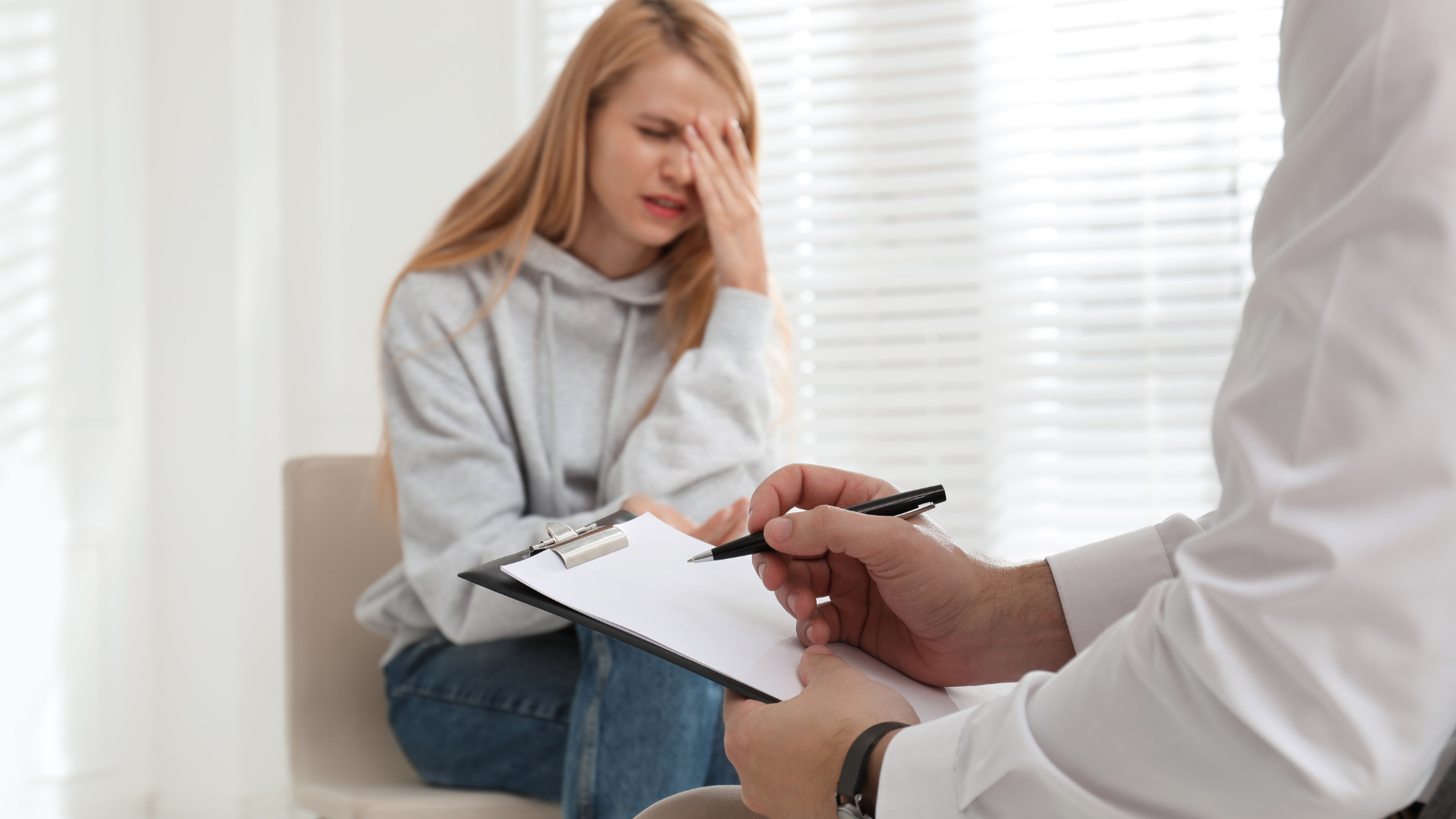
If you are reading this, chances are you or someone you love is standing at a difficult crossroads. Addiction is rarely a loud, sudden event; it is often a quiet, progressive erosion of the things that matter most—health, relationships, and peace of mind. Having worked in the behavioral health sector for over fifteen years, I have seen that the hardest step isn't just "quitting"—it is finding the courage to look for a drug rehabilitation center near me and admitting that the journey is too heavy to walk alone.
In 2026, the landscape of recovery has shifted. We no longer view addiction through a lens of judgment, but as a complex physiological and psychological challenge that requires a precise, clinical, and compassionate response. Whether you are dealing with prescription opioids, stimulants, or alcohol, the goal of a high-quality drug rehab is to treat the person, not just the "habit."
Identifying the Red Flags: Overdose Symptoms You Cannot Ignore
One of the most harrowing aspects of the current drug crisis is the unpredictability of substances. Before we even discuss long-term recovery, we must discuss survival. Understanding overdose symptoms is a critical life skill in today’s environment.
An overdose is a medical emergency where the body is overwhelmed by a toxic amount of a substance. While symptoms vary depending on the drug, there are universal "red flags":
- Respiratory Distress: Shallow, slow, or stopped breathing (common in opioid emergencies).
- Physical Discoloration: Fingertips or lips turning blue or grayish.
- Altered Consciousness: An inability to wake up or stay conscious, even when spoken to loudly.
- Vomiting or Seizures: Physical manifestations of the brain’s struggle to process the toxicity.
If you witness these signs, immediate medical intervention is the only priority. Once the crisis is stabilized, the conversation must immediately pivot toward finding a sustainable drug rehab solution to prevent a recurrence.
The "Why" Behind the "Where": Choosing a Drug Rehabilitation Center Near Me
When people search for a "drug rehabilitation center near me," they aren't just looking for a zip code. They are looking for accessibility, family involvement, and a continuum of care. Localized treatment allows for a smoother transition back into "real life" after the intensive phase of therapy is complete.
A premier center, like Regal Treatment Center, focuses on "Bio-Psychosocial" healing. This means we don't just detox the body; we investigate the underlying trauma, the chemical imbalances, and the social triggers that led to substance use in the first place.
Why Local Mastery Matters:
- Family Integration: Recovery is more successful when the support system is educated and involved in the process.
- Aftercare Stability: Transitioning from inpatient to outpatient care is much easier when your clinical team is part of your local community.
- Familiarity: Healing in an environment that feels like "home" rather than a cold, distant institution reduces the anxiety associated with early sobriety.
The Science of Lasting Change: What Happens Inside Drug Rehab?
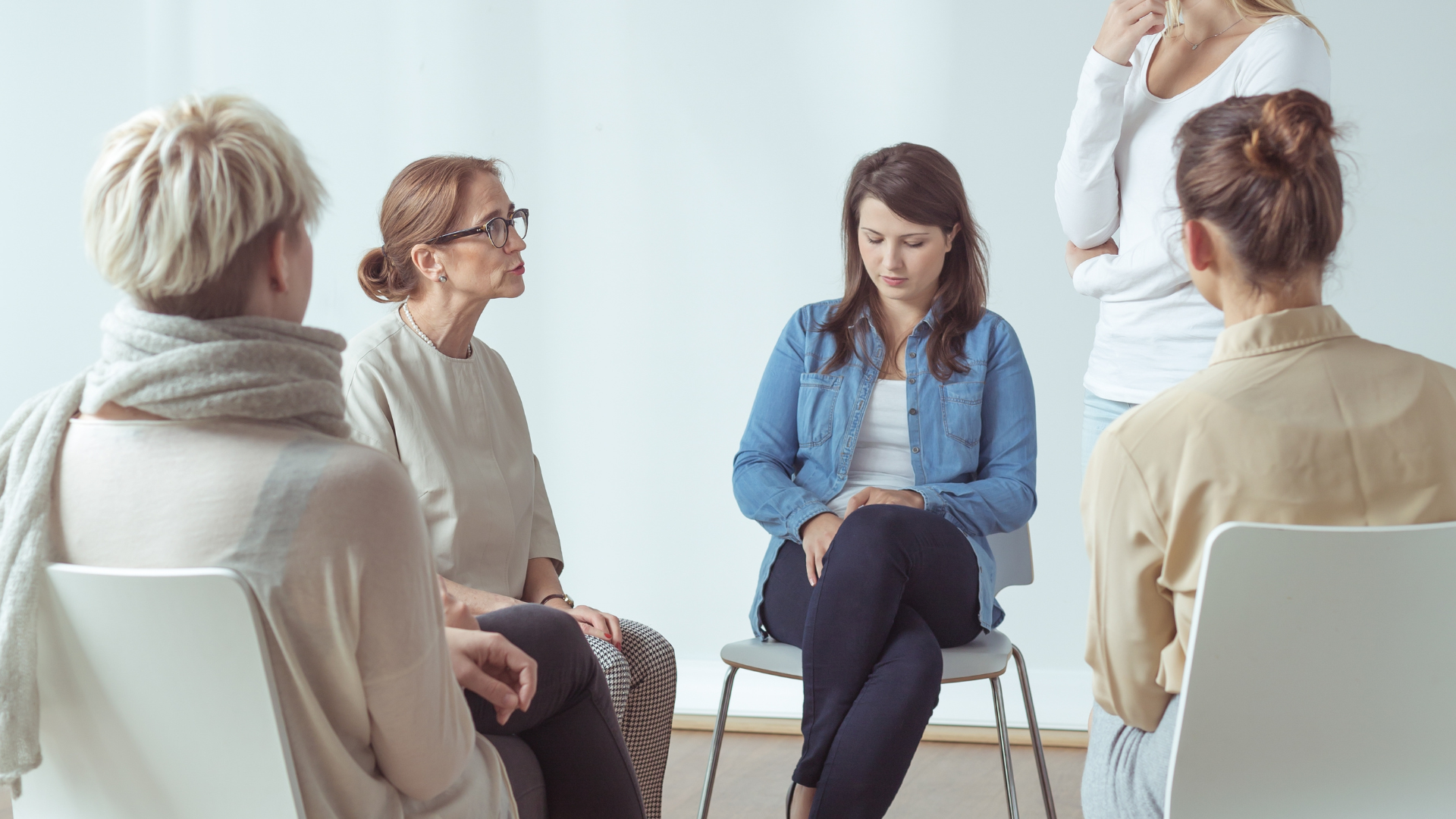
The word drug rehab often conjures up images of clinical hallways and group circles. While therapy is a cornerstone, modern rehabilitation is far more sophisticated. In 2026, the best centers utilize a multi-modal approach:
- Medical Detoxification: Safe, supervised withdrawal to manage physical cravings and discomfort.
- Cognitive Behavioral Therapy (CBT): Identifying the "thought loops" that lead to use.
- Dual Diagnosis Treatment: Many individuals struggling with addiction also have undiagnosed anxiety, depression, or PTSD. Treating both is the only way to prevent relapse.
- Holistic Wellness: Nutrition, exercise, and mindfulness are not "extras"—they are essential tools to help the brain’s dopamine receptors heal.
Sustainability and the Path Forward
Recovery is not a destination; it is a lifestyle. The true test of a drug rehabilitation center near me isn't just how you feel while you're inside their walls—it’s how prepared you feel when you walk out of them. This is why we emphasize "Relapse Prevention Planning."
We teach our clients how to navigate the grocery store, how to handle social pressure, and how to process stress without reaching for a substance. We build a toolkit of healthy coping mechanisms that serve as a shield against the triggers of the outside world.
Our Editorial & Research Policy
At Regal Treatment Center, we are committed to providing the most accurate and compassionate information available.
- Clinical Accuracy: All content is reviewed by experienced addiction specialists and follows current DSM-5-TR guidelines.
- Research Integrity: We utilize the latest data from the Substance Abuse and Mental Health Services Administration (SAMHSA) and the National Institute on Drug Abuse (NIDA).
- Human-First Content: We avoid medical jargon where possible, ensuring our resources are accessible to those in crisis and their families.
Frequently Asked Questions (FAQs) – 2026
1. How do I know if it’s time for professional drug rehab?
If substance use is interfering with your health, your job, or your relationships—or if you feel like you cannot function without the substance—it is time. You don’t need to hit "rock bottom" to seek help; early intervention often leads to better long-term outcomes.
2. What should I do if I see someone experiencing overdose symptoms?
Call 911 (or your local emergency number) immediately. If you have access to Naloxone (Narcan) and believe they are overdosing on opioids, administer it. Stay with the person until help arrives and try to keep them awake and breathing.
3. Does insurance cover a drug rehabilitation center near me?
Most private insurance providers, including those through the Affordable Care Act, cover addiction treatment as an essential health benefit. Regal Treatment Center works with various providers to ensure cost isn’t a barrier to life-saving care.
4. What is the difference between inpatient and outpatient rehab?
Inpatient (Residential) rehab involves living at the facility for 30 to 90 days for 24/7 support. Outpatient rehab allows you to live at home while attending therapy sessions several times a week. The choice depends on the severity of the addiction and your home environment.
5. Can I visit my loved one during their stay in drug rehab?
Yes, most centers encourage family visits and family therapy sessions after an initial "blackout" period. We believe that healing the family unit is a vital part of the individual’s recovery journey.





.png)
.png)
.avif)